Build in Public
Building Open Free Max in the open.
Experiments, lessons, trade-offs, and the work behind the product — shared while it is still being built.
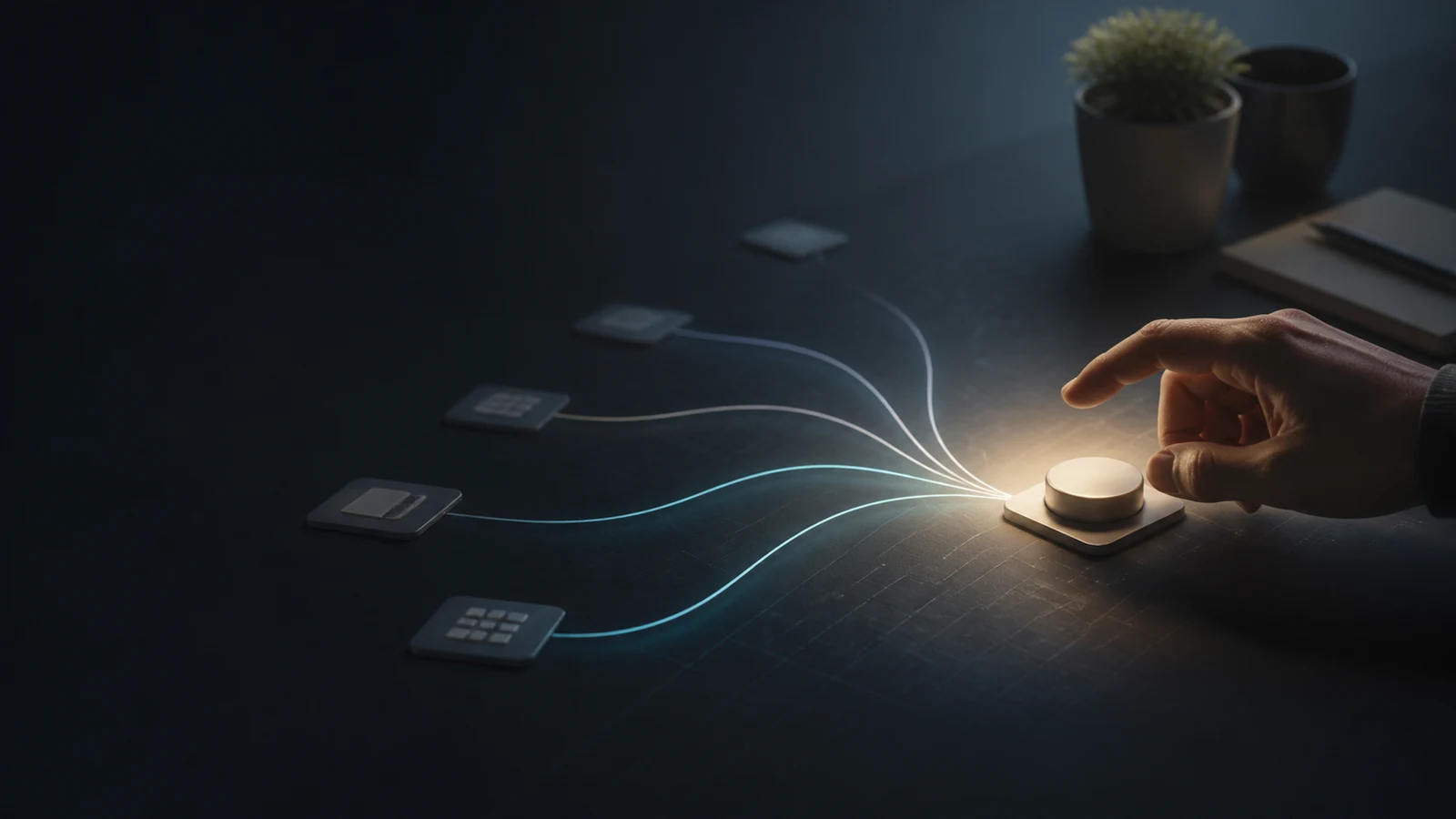
Choosing the Model Should Not Be Your Job
The AI Router started from a small irritation: a choice repeated dozens of times a day, always answered the same way. Building it meant deciding what a machine may decide for you, and what it must always ask.
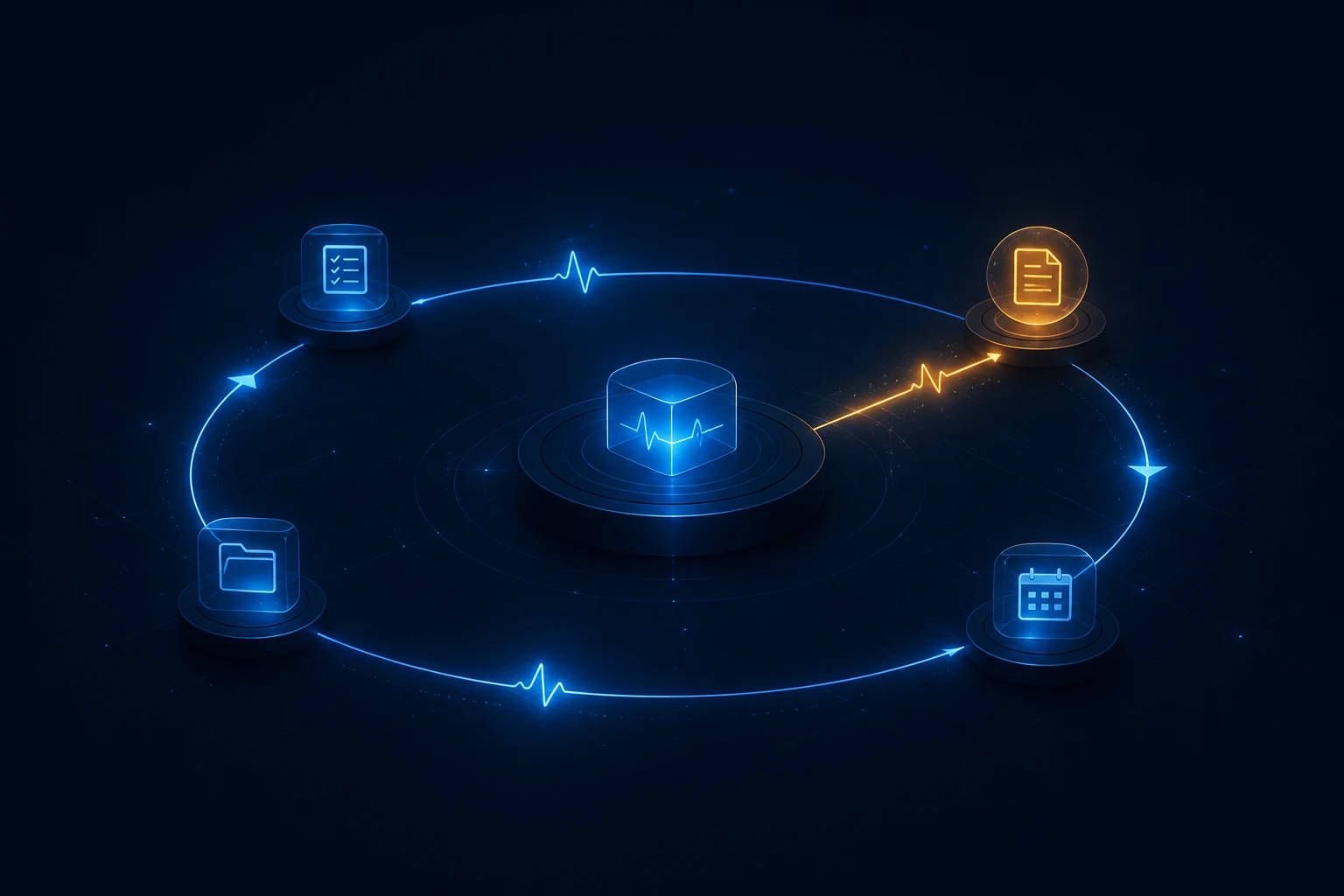
The Heartbeat Had to Know When to Stay Quiet
A recurring task is easy to describe as a timer. Building one we could trust meant designing the pauses, the limits, the reports, and the moments where the agent must wait for a human.

The Audience Was Bigger Than the IDE
We started by looking at the IDE. The work kept pointing somewhere wider: toward creators, researchers, builders, and anyone carrying too many projects at once.
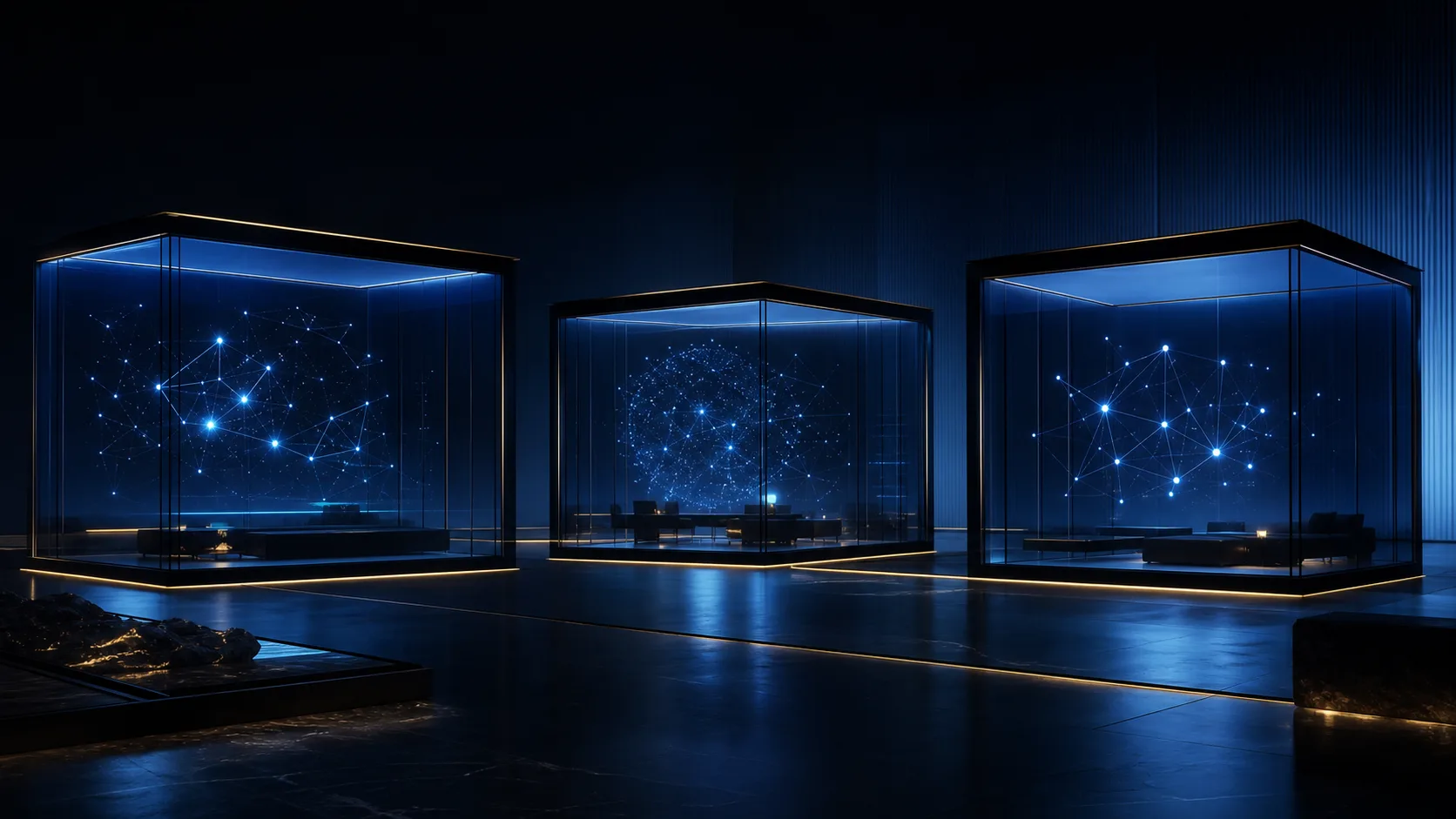
Every Project Needed Its Own Memory
A person can work on many things at once without wanting those things blended together. Project memory became a question of belonging.

More AI Tools Created a New Problem: Continuity
Adding another AI tool can feel like adding capability. It can also add another place where the thread of work might be lost.
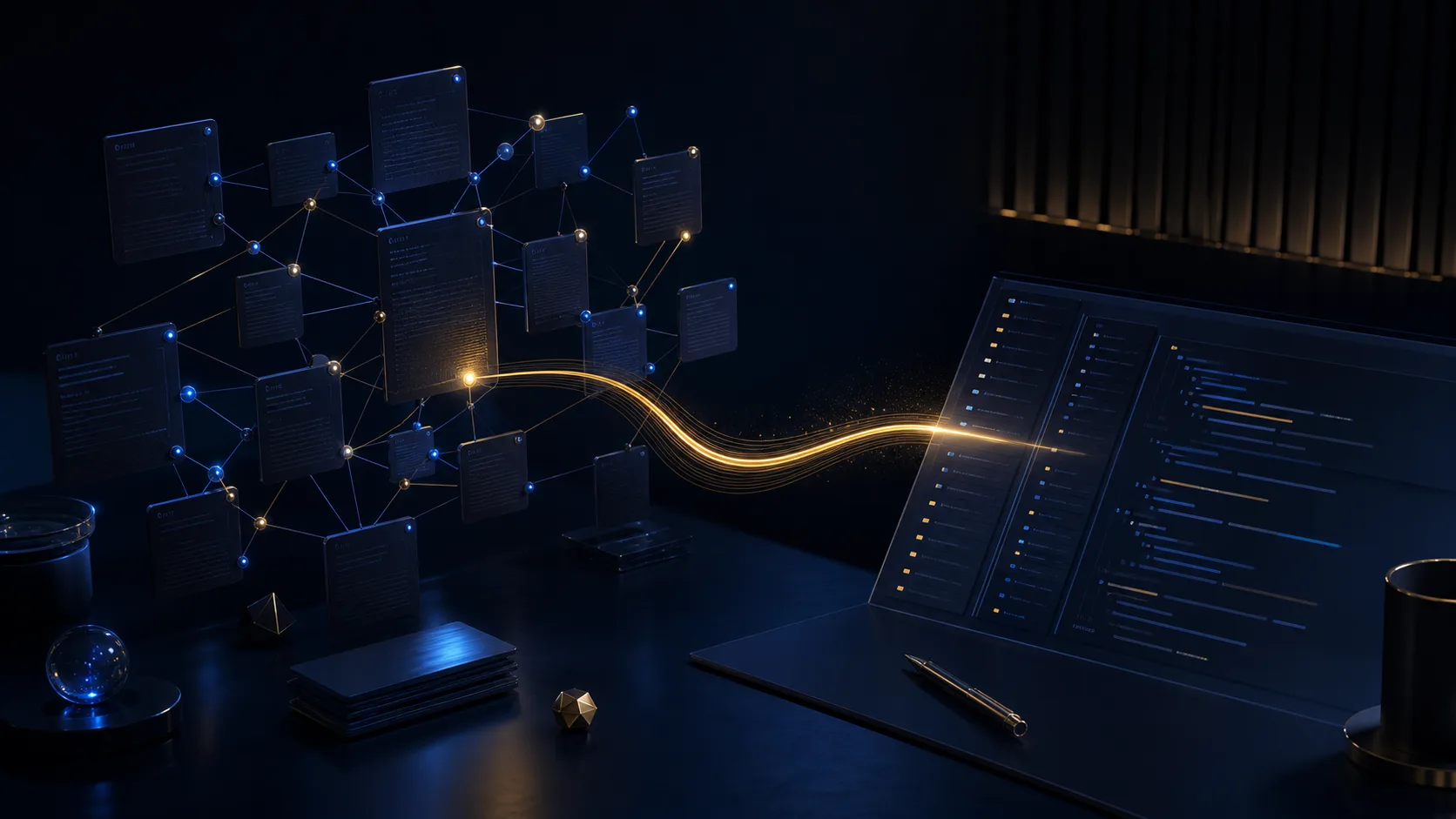
A Client Mentioned Obsidian, and OFM Changed Direction
A real client workflow showed us that OFM should connect to the knowledge people already trust instead of asking them to start again.

Memory Should Not Mean Saving Everything
The product decision behind local project memory: useful continuity without turning every conversation into permanent history.
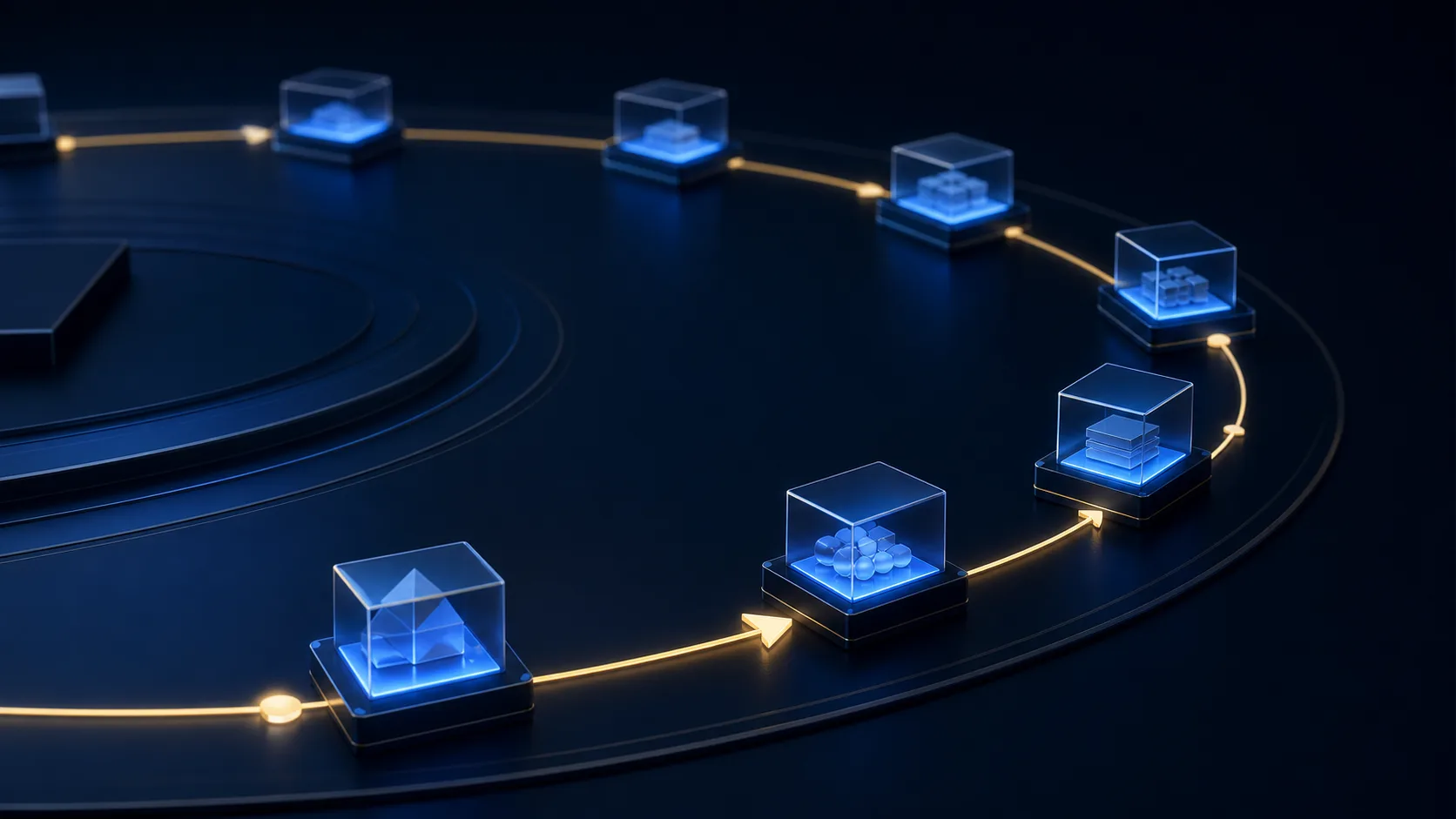
The Work Should Keep Moving Without Constant Supervision
Why repetitive AI work became an orchestration problem, and why the answer had to remain visible and resumable.

When One Agent Was No Longer Enough
How the need to manage several active AI sessions changed the shape of Open Free Max.
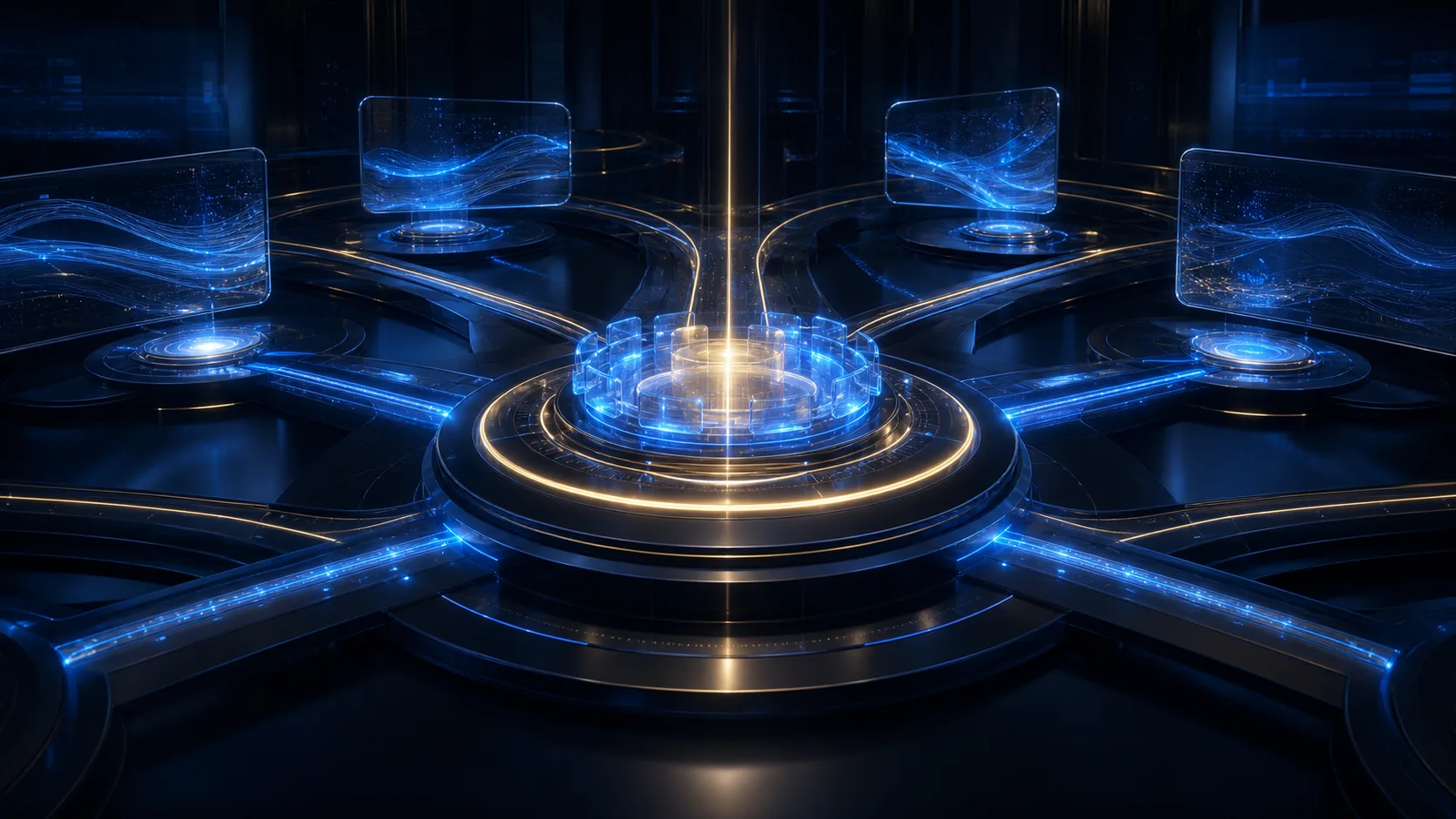
Why We Built a Command Center for AI Work
The starting point for Open Free Max: making complex AI work feel continuous when life refuses to stay in one window.
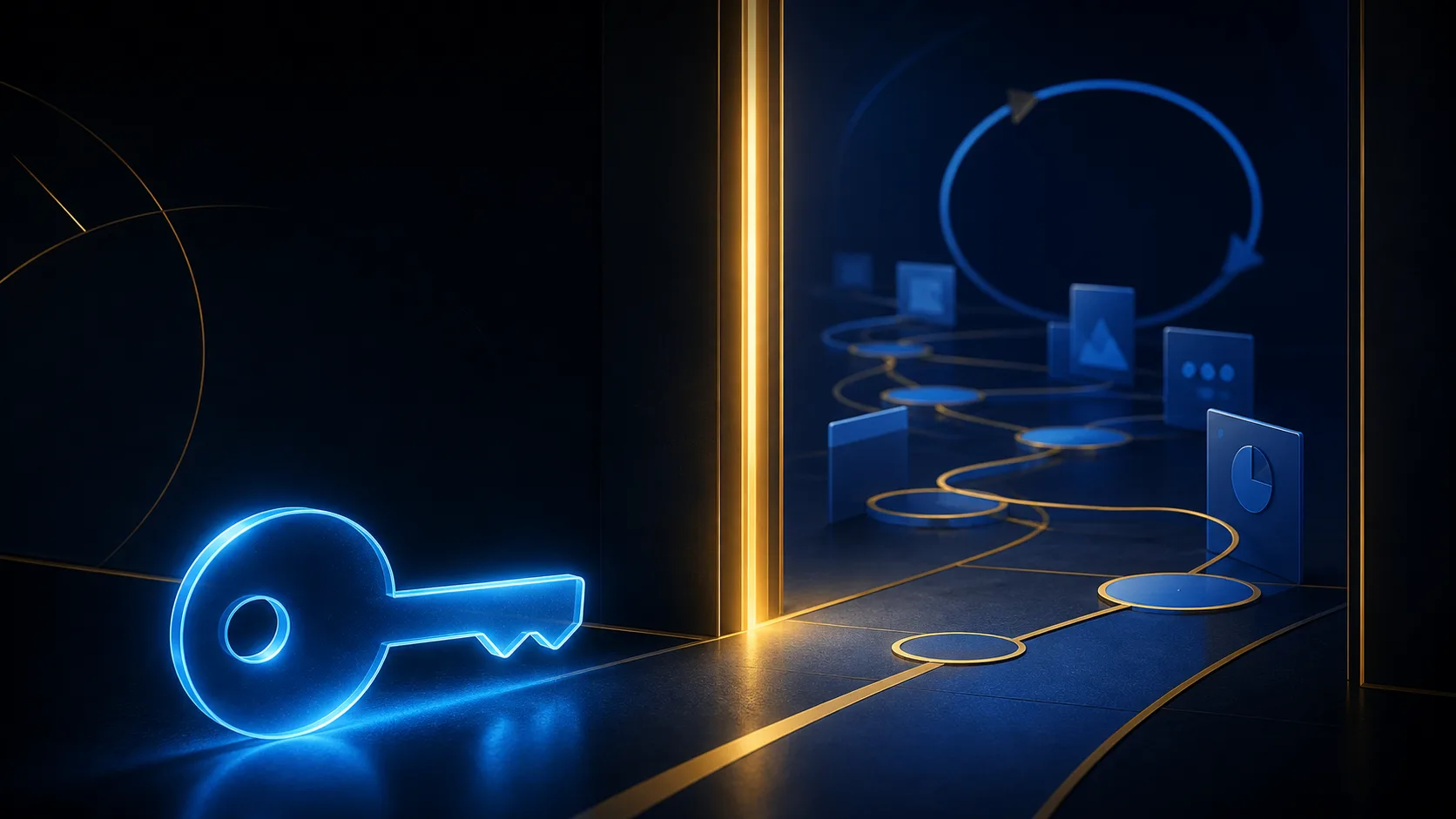
A Shortcut Is Not Just a Keyboard Trick
The difficult part of a shortcut was never inserting words. It was deciding where those words belonged: everywhere, or only here.

People Kept Typing the Same Sentence
A sentence repeated often enough stops feeling like writing and starts feeling like a toll. We built shortcuts because the beginning of work should not ask for the same explanation every time.